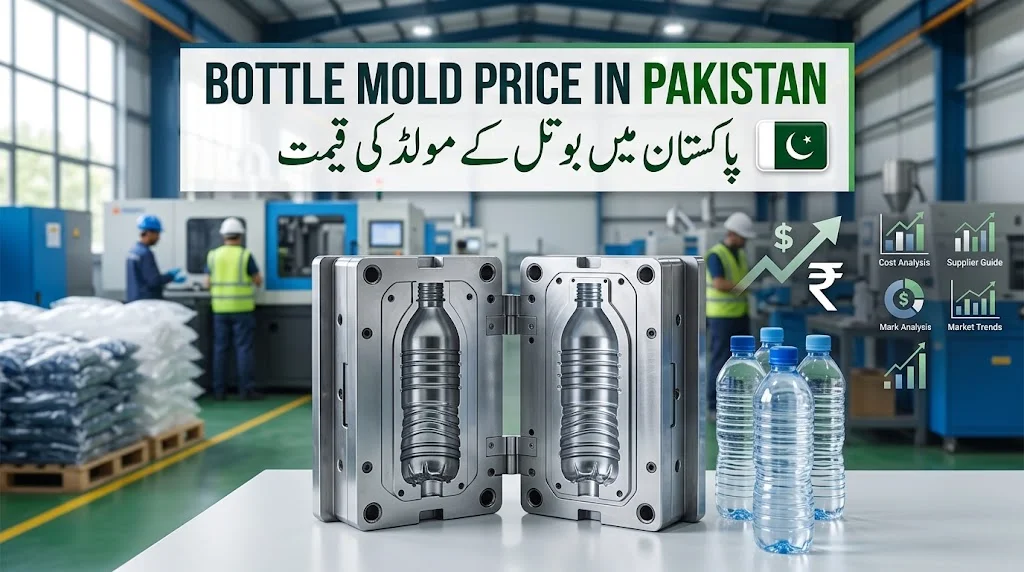


You know, What is a Bottle Mold? In the fast paced world of packaging and manufacturing, the quality of plastic products begins long before the raw material enters the machinery. At the very heart of creating durable, precisely shaped beverage containers, cosmetic bottles, and pharmaceutical packaging lies a critical piece of engineering the bottle mold.
Whether you are expanding a packaging line or exploring custom plastic molding, understanding what a bottle mold is and how it functions in production is essential for achieving high quality and cost efficiency.
What Exactly is a Bottle Mold?
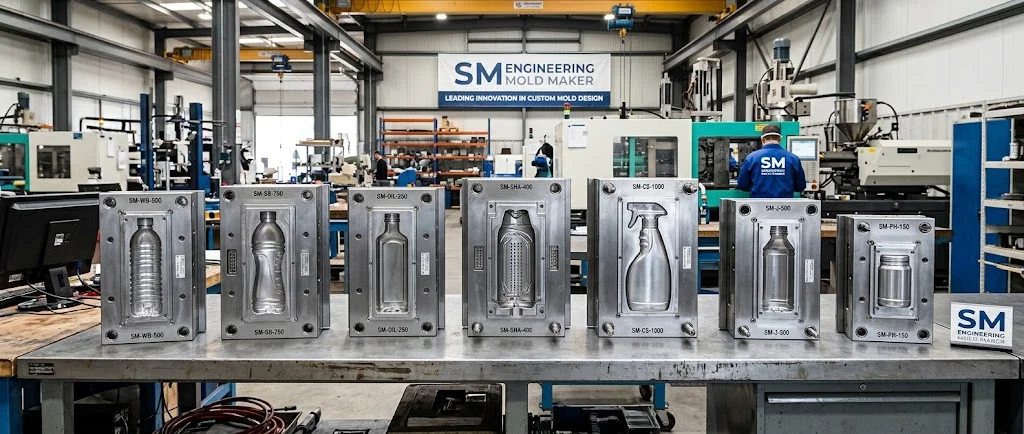
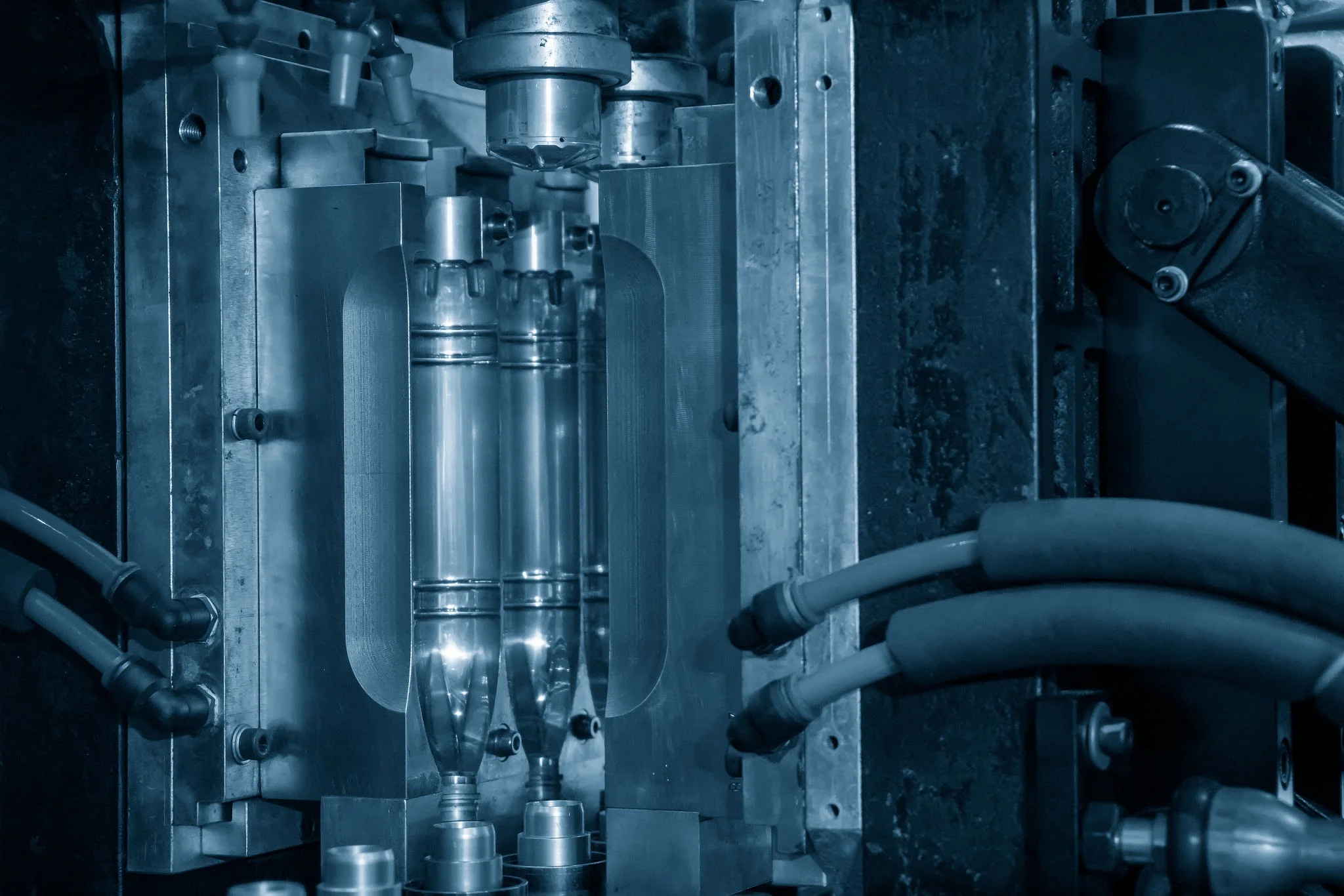
A bottle mold is a precision engineered, hollow tool typically crafted from high grade steel or aluminum used to shape molten plastic into the exact design, size, and finish required for a specific bottle.
These molds are designed with microscopic precision. Every contour, threading detail, embossed logo, and wall thickness is determined by the mold’s cavity. In high volume manufacturing, a durable mold ensures consistency across hundreds of thousands of units, minimizing material waste and structural defects.
How are Bottle Molds Used in Production?
The manufacturing process depends heavily on the type of plastic and the molding technique employed. Two primary methods for using bottle molds are blow molding and injection stretch blow molding (ISBM). Here is how the process unfolds in a modern production facility:
1. Preform Creation (Injection Molding Stage)
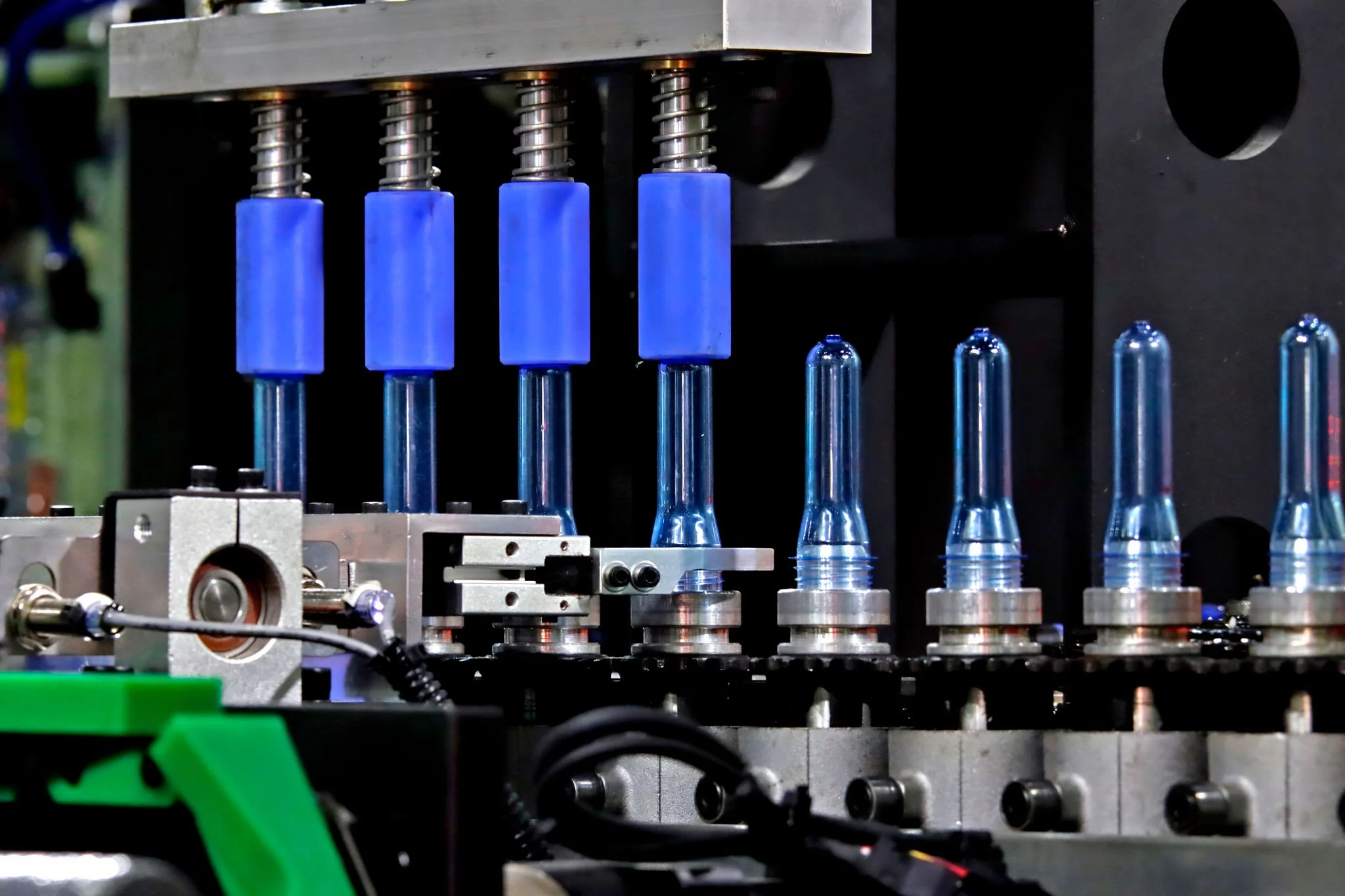
Before a bottle takes its final shape, plastic resin (typically PET, HDPE, or PP) is melted and injected into a mold to create a test-tube-like structure known as a “preform.” The neck and the screw threads for the future bottle are already incorporated at this stage.
2. Heating and Conditioning
The preforms are fed into a reheating machine, where infrared lamps soften the plastic to the optimal temperature for stretching and blowing.
3. Stretching and Blow Molding
The heated preform is transferred directly into the cavity of the bottle mold. Inside the mold:
- A stretch rod elongates the preform vertically.
- High pressure compressed air is introduced, forcing the softened plastic outward against the inner walls of the mold.
- Upon contact with the cool metal walls of the mold, the plastic rapidly cools and solidifies.
4. Ejection and Quality Control
Once cooled, the mold opens automatically, and the newly formed bottle is ejected. Rigorous quality testing is conducted to ensure uniform wall thickness, flawless threading, and structural integrity.
Why Quality Molds Matter for Manufacturers
Investing in precision engineered bottle molds offers distinct operational advantages:
- Dimensional Accuracy: Ensures that caps fit securely without any leakage.
- Cycle Time Optimization: Advanced cooling channels integrated into custom-designed molds reduce production cycle times.
- Durability: Premium steel alloys resist wear and tear over millions of production cycles.
At SM Engineering Mold Maker, we specialize in the design and manufacturing of high precision molds specifically for plastic bottle production helping businesses achieve flawless results and maximum output efficiency.